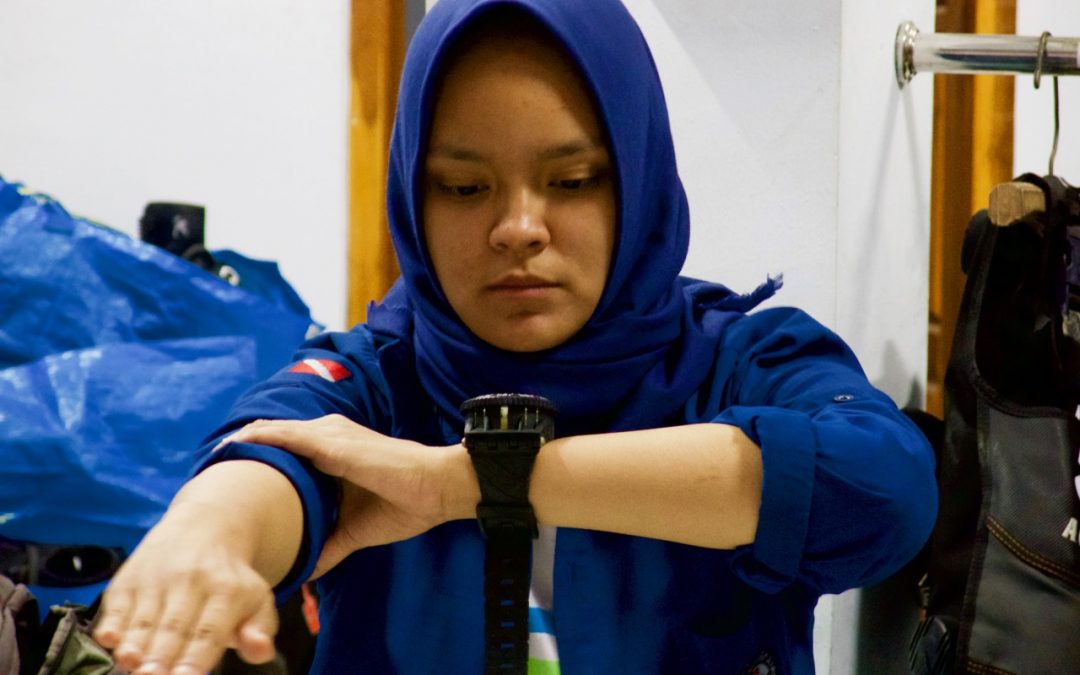
Day 4: “What’s in it for me?”
Day 4 of MIP-2018 and the interns are learning “what’s in it for me” with conservation communications and starting their PADI Advanced OPen Water training

Day 4 of MIP-2018 and the interns are learning “what’s in it for me” with conservation communications and starting their PADI Advanced OPen Water training
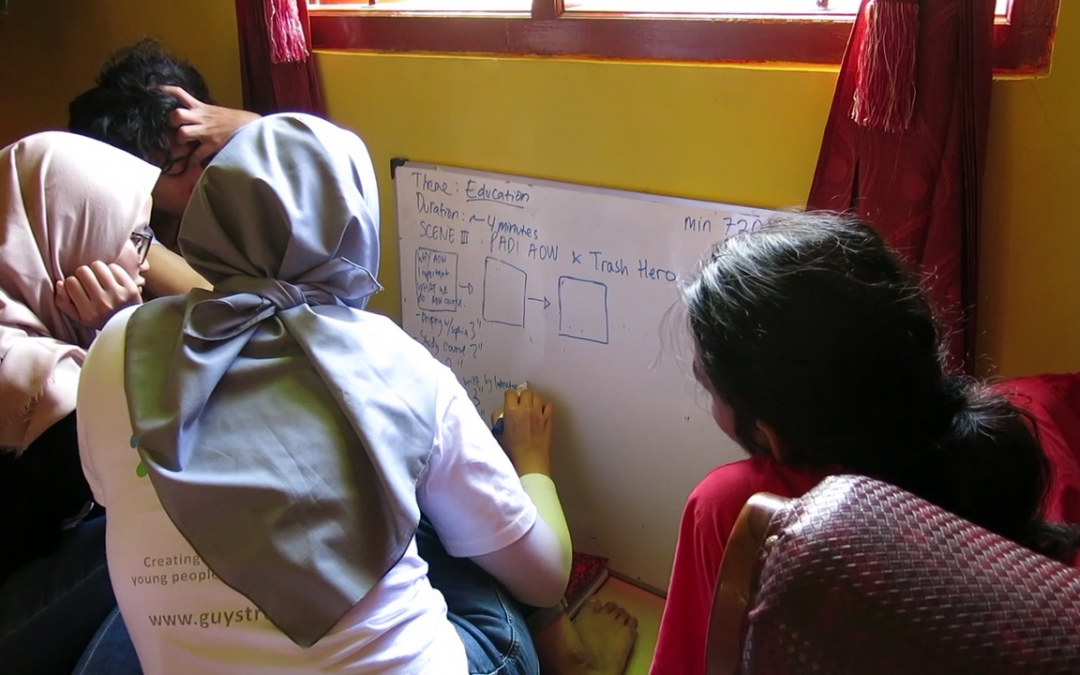
Day 3 of MIP-2018 and the interns are improving the communication skills via storyboarding, and learning about the biology of sharks and rays.
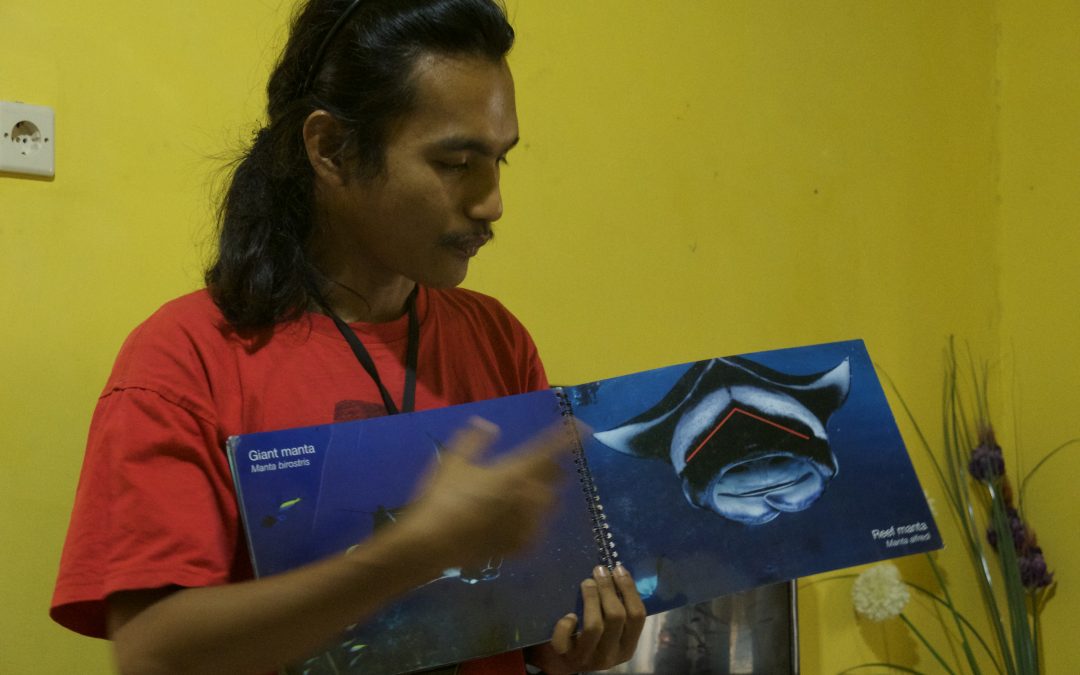
Day 2 of MIP-2018 and the interns learn about manta ecology and conservation, and practice giving a manta conservation briefing
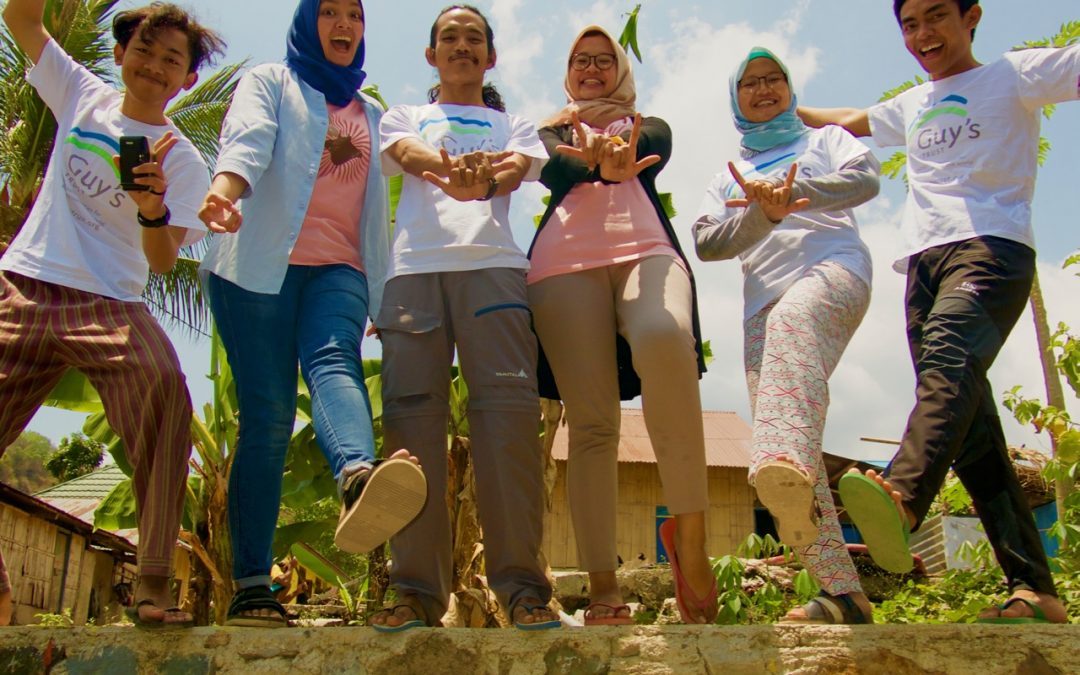
Day 1 of MIP-2018, and we welcome Corina Ruswanti, Firmansyah Tawang, Irfan Firdaus, Revani Utami to the MantaWatch team
At the 14th meeting of the Indian Ocean Tuna Commission’s Working Party on Ecosystems and Bycatch we submitted a review of fishery impacts on mobulid ray populations in the Indian Ocean which is driving improved conservation and management measures.
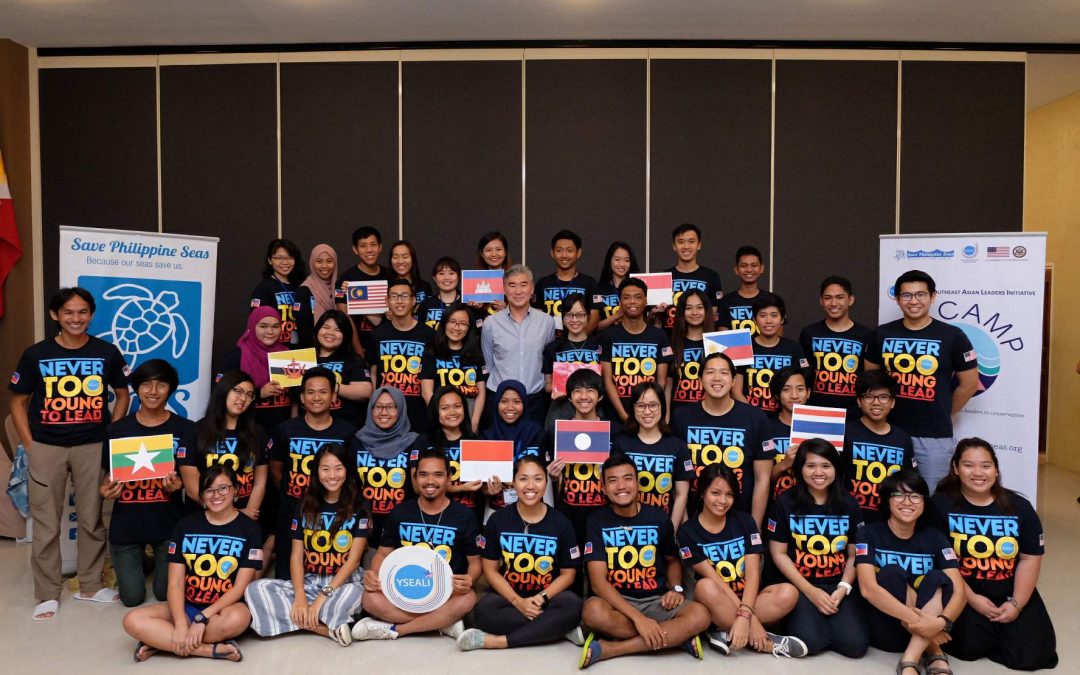
In March 2018 Retno Ningrum was selected to join 30 young leaders for at the YSEALI Sea and Earth Advocates Camp in Bohol, Philippines. Read about her experiences, and how she will apply them in her role as Sustainable Fisheries Assistant
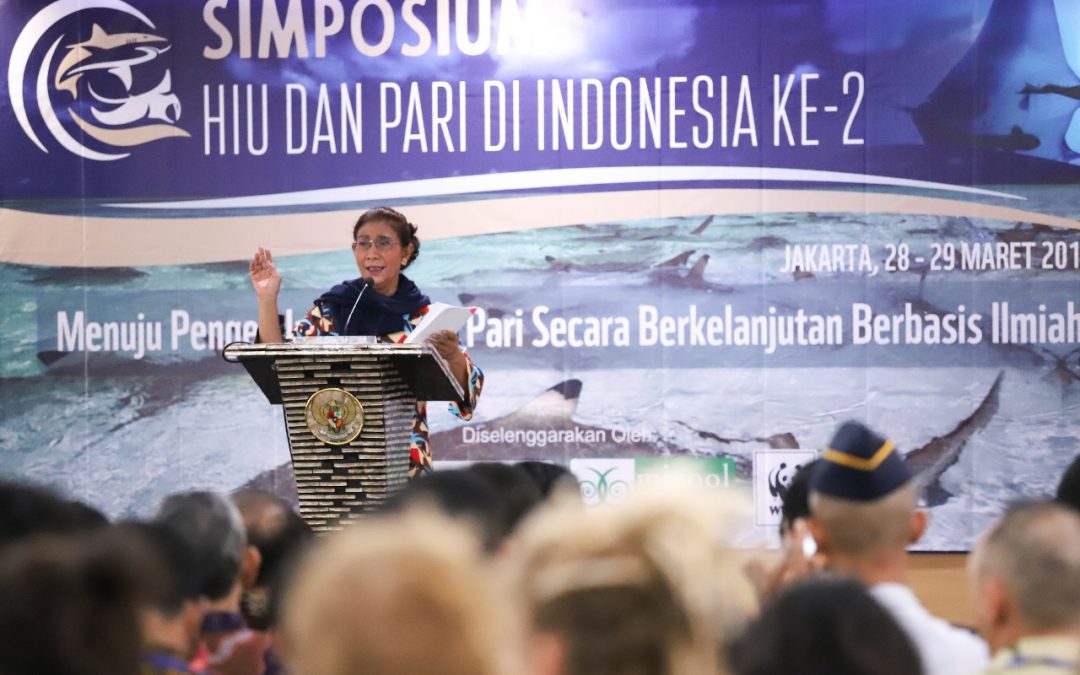
Indonesia’s Ministry of Marine Affairs and Fisheries hosts two landmark national workshops to advance shark and ray conservation and management in Indonesia
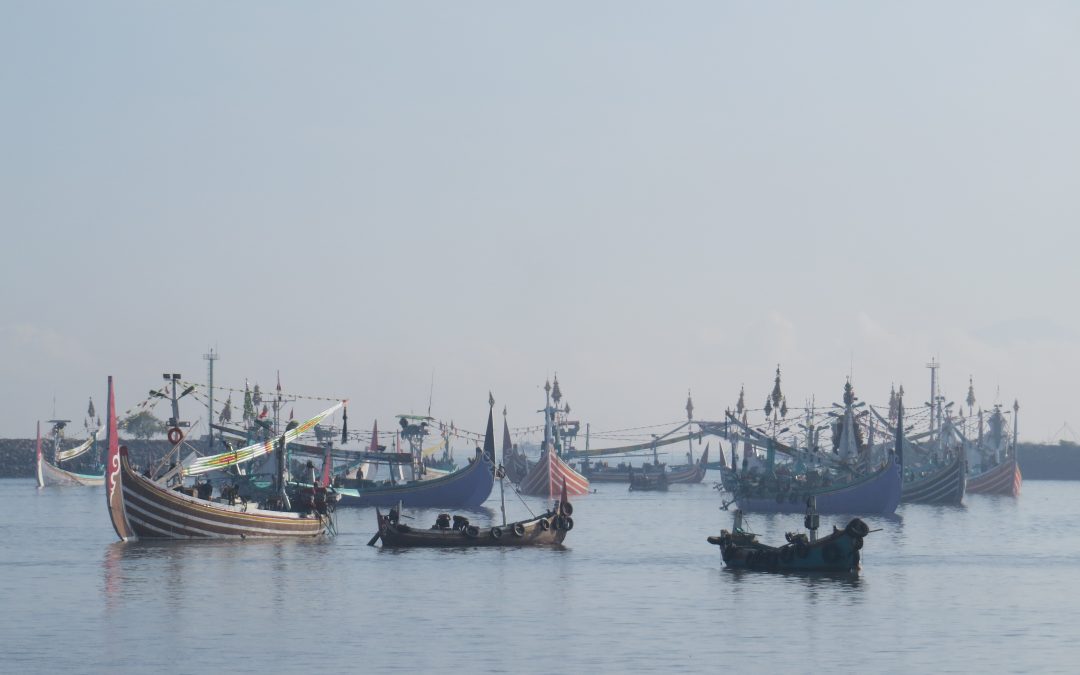
Muncar’s fishers have gone north, following the seasonal fish stocks. Our Sustainable Fisheries team visit Pandean to learn more about the seasonal dynamics of this fishery and fishers’ perceptions of our bycatch reduction technologies.
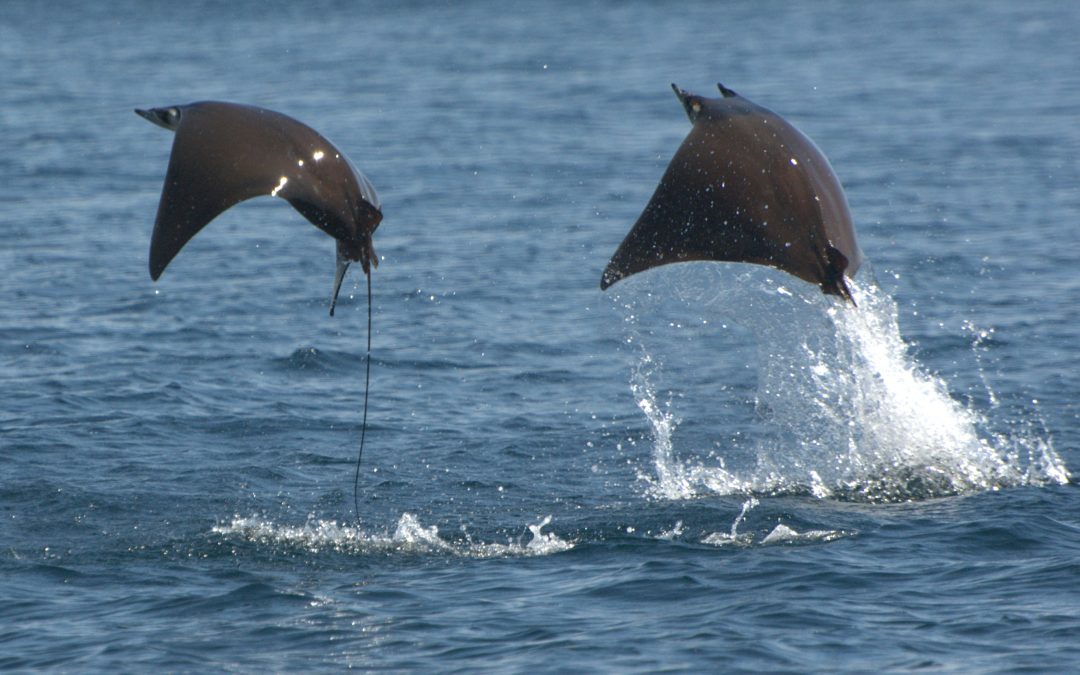
Despite facing significant threats, Indonesia’s mobula ray fisheries are largely unregulated. With widespread small-scale fisheries, bycatch is arguably a more significant threat than target fisheries. With appropriate knowledge and technologies, fishers have an important role to play protecting these species.
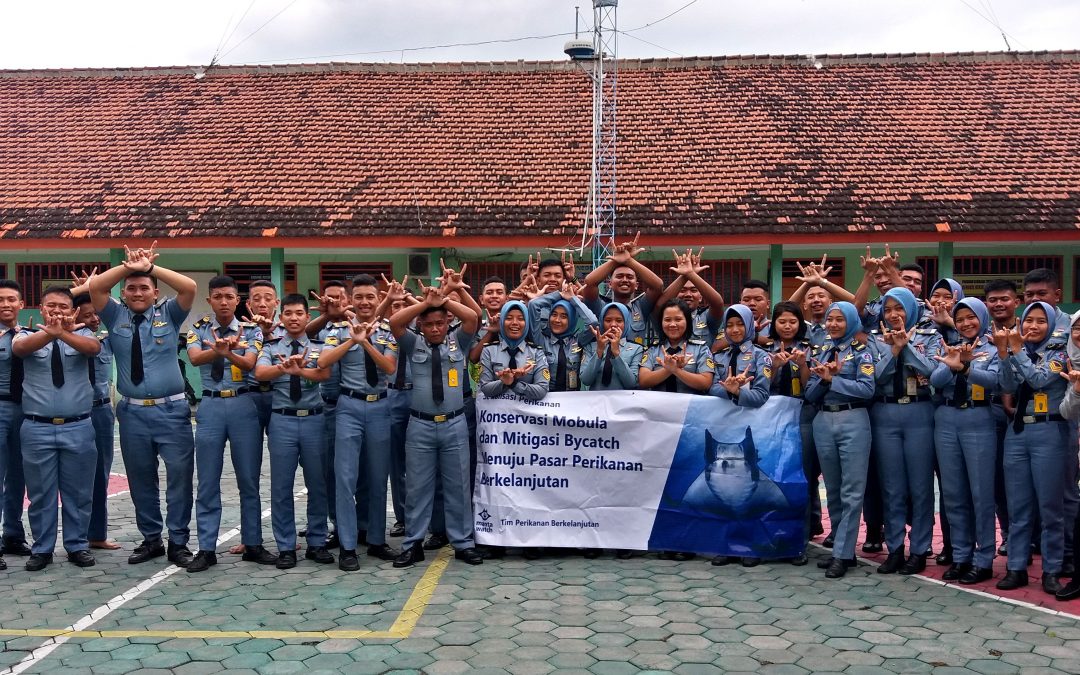
On February 8 our Sustainable Fisheries team took their education and outreach programme to SMKN 1 Glagah in Banyuwangi. Eighty-four fishery high school students increased their knowledge about mobulid ray conservation, bycatch mitigation, and sustainable fisheries and seafood markets.